How Neighborhood Networks Foster Innovation in CA
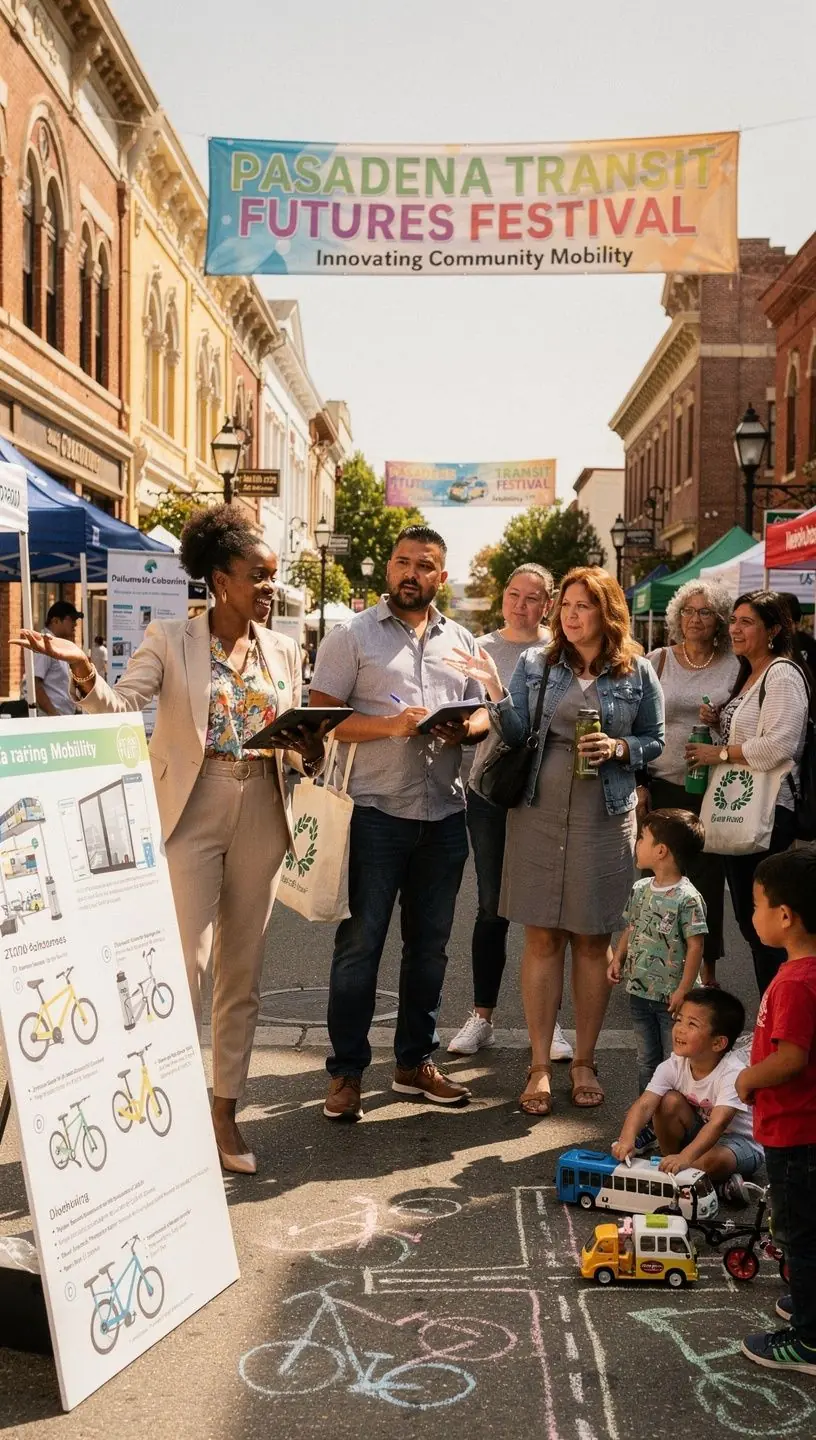
In California, local communities are increasingly turning to neighborhood networks to foster technological innovation and promote sustainable development. These networks create spaces where residents can collaborate and share ideas, leading to significant improvements in local quality of life.
Understanding Neighborhood Networks
Neighborhood networks often leverage the collective knowledge and skills of community members to tackle local challenges. According to research from the Institute for Local Innovation, communities that actively engage in collaborative networks see a 15-25% increase in problem-solving efficiency. This occurs because residents bring diverse perspectives and expertise to the table, which can lead to more creative solutions.
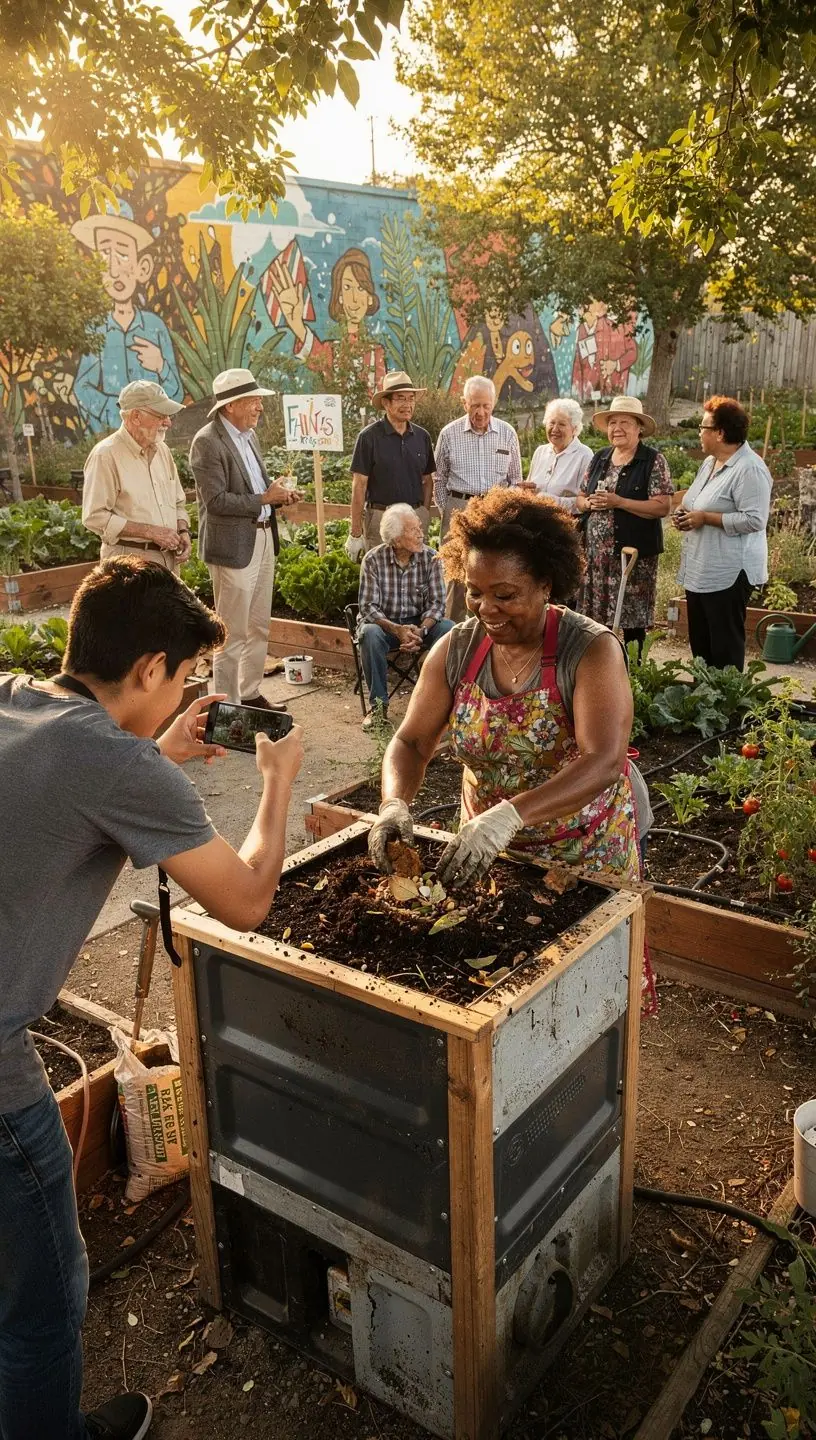
"Collaboration within neighborhood networks allows communities to harness their strengths and address issues more effectively," notes Dr. Susan Meyer, a local innovation expert.
Key Benefits of Neighborhood Networks
Neighborhood networks provide several advantages that can help stimulate innovation:
- Enhanced Collaboration: By connecting residents, these networks facilitate knowledge sharing, which can lead to new technological solutions. Many users report that being part of a network enables them to learn from peers and apply new ideas in their own projects.
- Resource Sharing: Community members often pool resources, such as tools and expertise, which can significantly reduce costs associated with individual projects. This approach works best when members are proactive in contributing their skills and materials.
- Local Focus: Solutions generated in neighborhood networks are often tailored to specific community needs, making them more effective. This localized approach can lead to better outcomes, particularly in areas like renewable energy and public health.
Implementing Neighborhood Networks
Creating a successful neighborhood network requires commitment and planning. Here are a few steps that experts recommend:
- Identify Common Goals: Start by bringing together community members to discuss shared interests or challenges. This can help establish a common purpose that motivates participation.
- Facilitate Regular Meetings: Regular gatherings—whether virtual or in-person—can enhance engagement and ensure that ideas are continuously flowing. Typically, these meetings should be scheduled at least once a month to maintain momentum.
- Leverage Technology: Utilizing social media platforms or dedicated apps can streamline communication and coordination among members, making it easier for everyone to stay involved and informed.
Challenges and Considerations
While neighborhood networks can drive innovation, there are challenges involved. Building trust and encouraging participation can take time, typically requiring several months to see significant involvement. Additionally, not all community members may be interested in participating, which can limit the diversity of ideas.
Experts suggest that networks work best when they are inclusive and actively seek input from all sectors of the community, including marginalized groups. Addressing these challenges proactively can lead to a more robust network that fosters meaningful innovation.
Conclusion
Neighborhood networks in California represent a promising approach to fostering local innovation. By promoting collaboration, resource sharing, and localized solutions, these networks can significantly enhance community resilience and technological advancement. While challenges exist, the potential benefits of these networks make them a valuable asset for communities looking to improve their quality of life.
Learn More