The Role of Local Makerspaces in Technological Development
Makerspaces are community-driven environments that foster innovation and creativity. These spaces often provide access to tools and resources that enable individuals to develop their technological skills and work on projects that address local needs. This article explores how local makerspaces contribute to technological development within communities across Canada.
Understanding Makerspaces
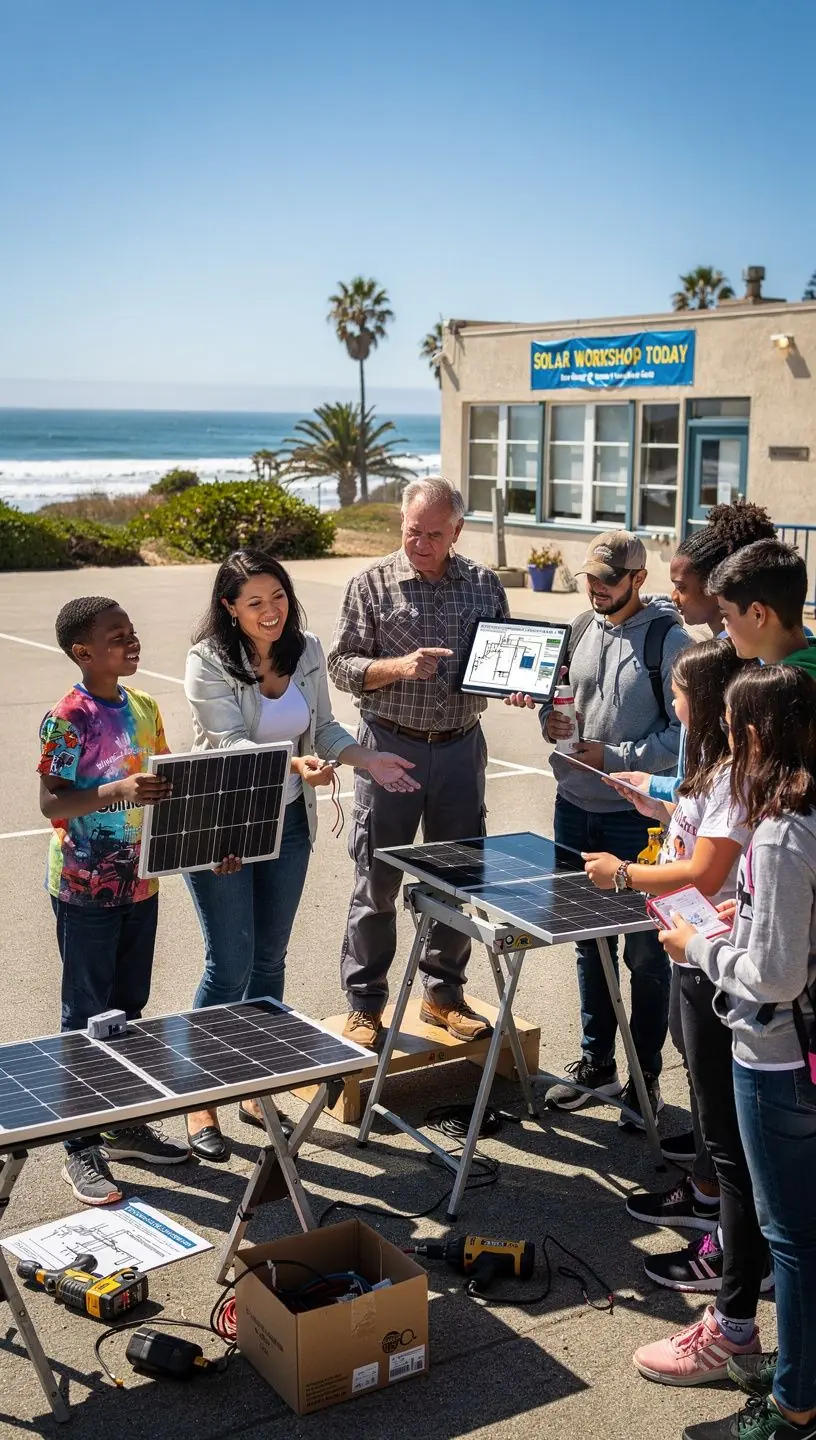
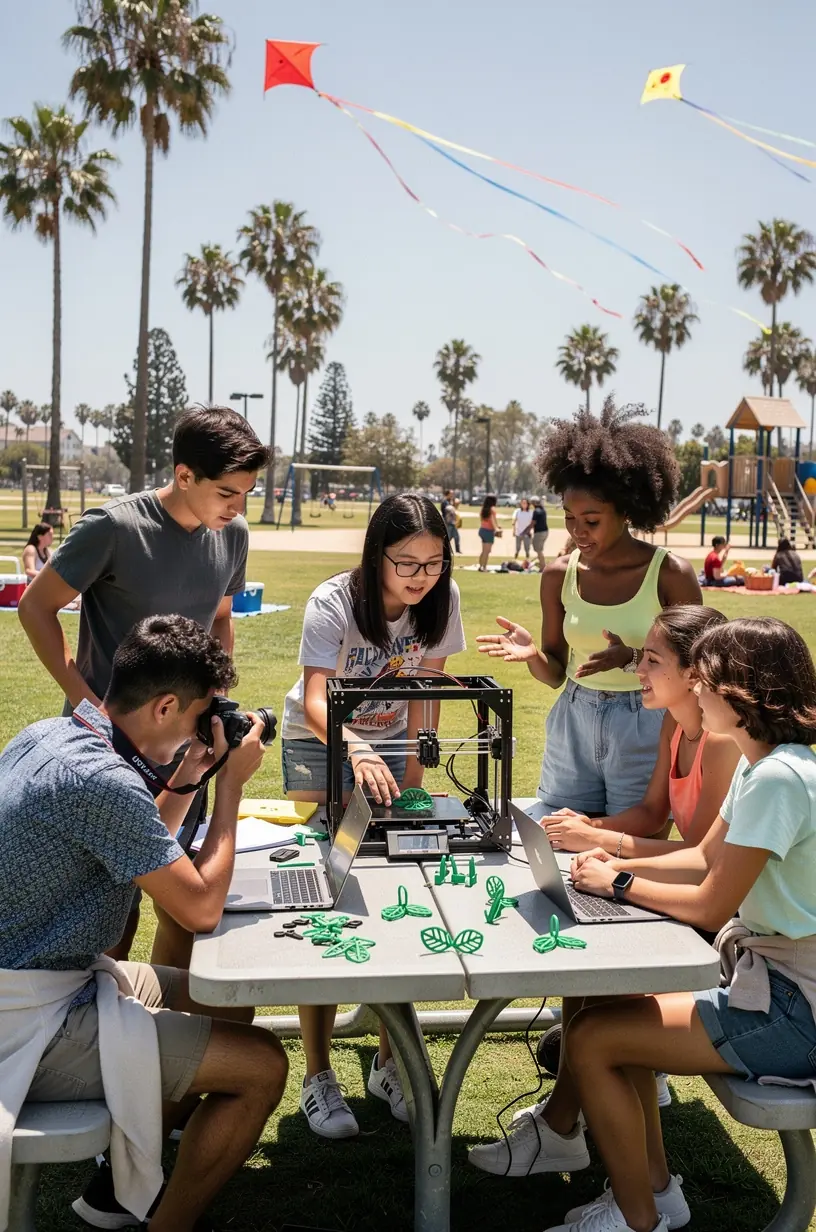
Makerspaces are collaborative workspaces equipped with tools ranging from 3D printers to woodworking equipment. According to research conducted by the Maker Education Initiative, these spaces allow individuals to engage in hands-on learning experiences, which can significantly enhance their problem-solving skills and technical knowledge. Often, makerspaces focus on fostering a culture of sharing and collaboration, which can lead to innovative solutions tailored to local challenges.
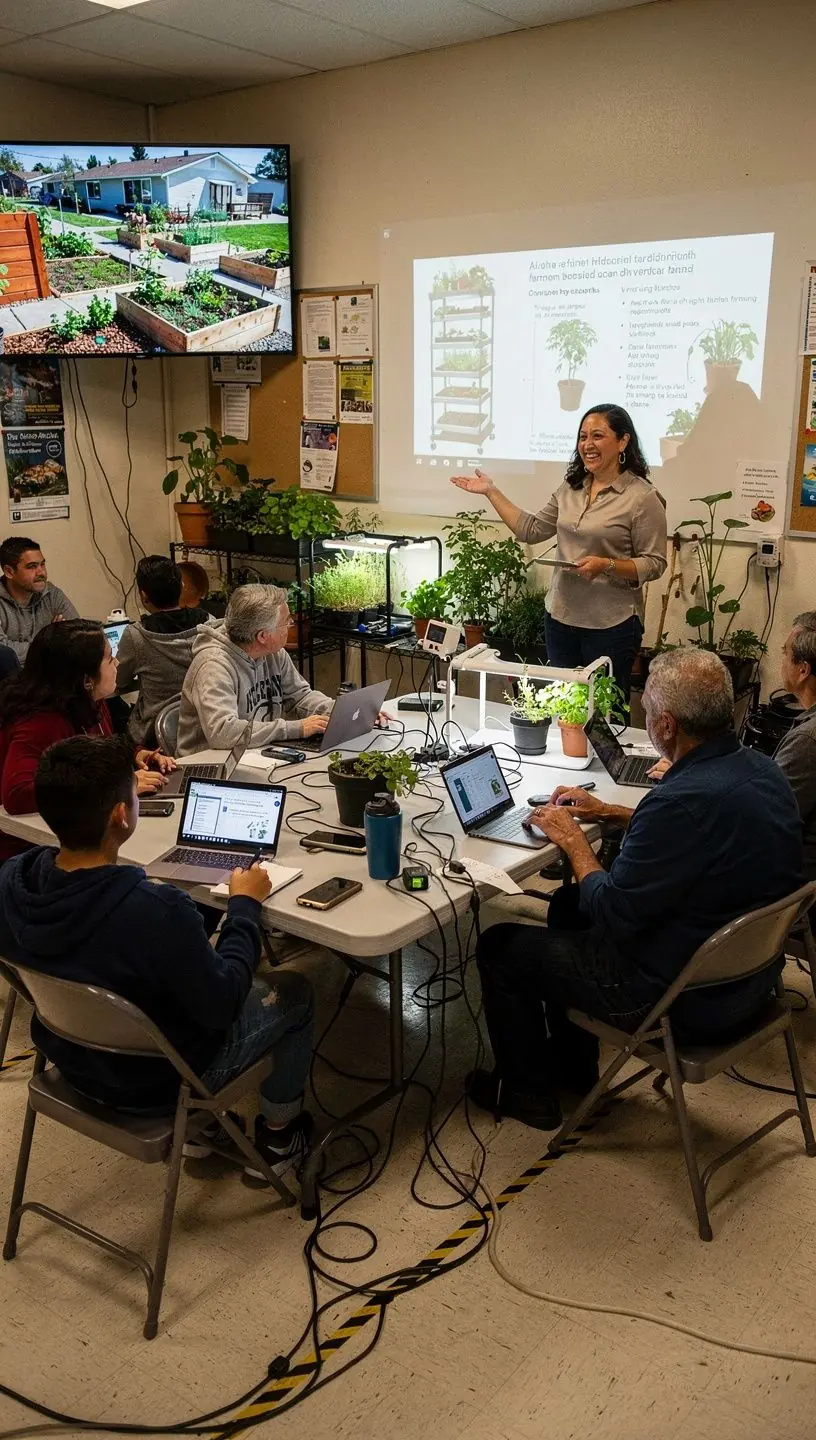
"Makerspaces can empower individuals to transform their ideas into tangible products, promoting creativity and innovation at a grassroots level."
Benefits of Local Makerspaces
Local makerspaces provide a variety of benefits that contribute to community development:
- Skill Development: Many users report that makerspaces serve as an effective platform for acquiring new skills, often through workshops and peer collaboration. This can be particularly beneficial in areas like coding, electronics, and design.
- Resource Accessibility: Typically, individuals may not have access to advanced tools or technologies at home. Makerspaces bridge this gap by providing equipment and materials that empower local innovators.
- Community Networking: Makerspaces often facilitate connections among diverse individuals, fostering a sense of community. This networking can lead to collaborations that produce projects with a significant local impact.
Challenges and Limitations
While the advantages of makerspaces are significant, there are challenges to consider:
- Time Commitment: Engaging with a makerspace typically requires a time investment. Many users find that developing a new skill or completing a project can take several weeks, depending on complexity and the individual’s prior experience.
- Learning Curve: For newcomers, the array of tools and technologies can be overwhelming. Makerspaces often involve a learning curve that may deter some individuals; however, many spaces offer mentorship programs to ease this transition.
- Resource Limitations: Access to tools and space can vary based on funding and community support. Not all makerspaces are equipped to handle large projects, which may limit their effectiveness in certain contexts.
Conclusion
Local makerspaces represent an effective model for promoting technological development within communities. By providing resources, fostering collaboration, and encouraging skill development, they can play a crucial role in innovation. As Canada continues to embrace the maker movement, understanding the benefits and challenges associated with these spaces will be essential for maximizing their impact. Ultimately, makerspaces can be a key driver of local technological advancement, benefiting individuals and communities alike.